Thinking about selling your custom home in Section 10? In a one square mile enclave where every property is unique, the right pricing, prep, and marketing plan can move the needle on both time and outcome. You want clarity, not guesswork, and a process that respects your privacy while reaching the right buyers. This guide gives you a step-by-step strategy tailored to Section 10 so you can list with confidence and close smoothly. Let’s dive in.
Section 10 at a glance
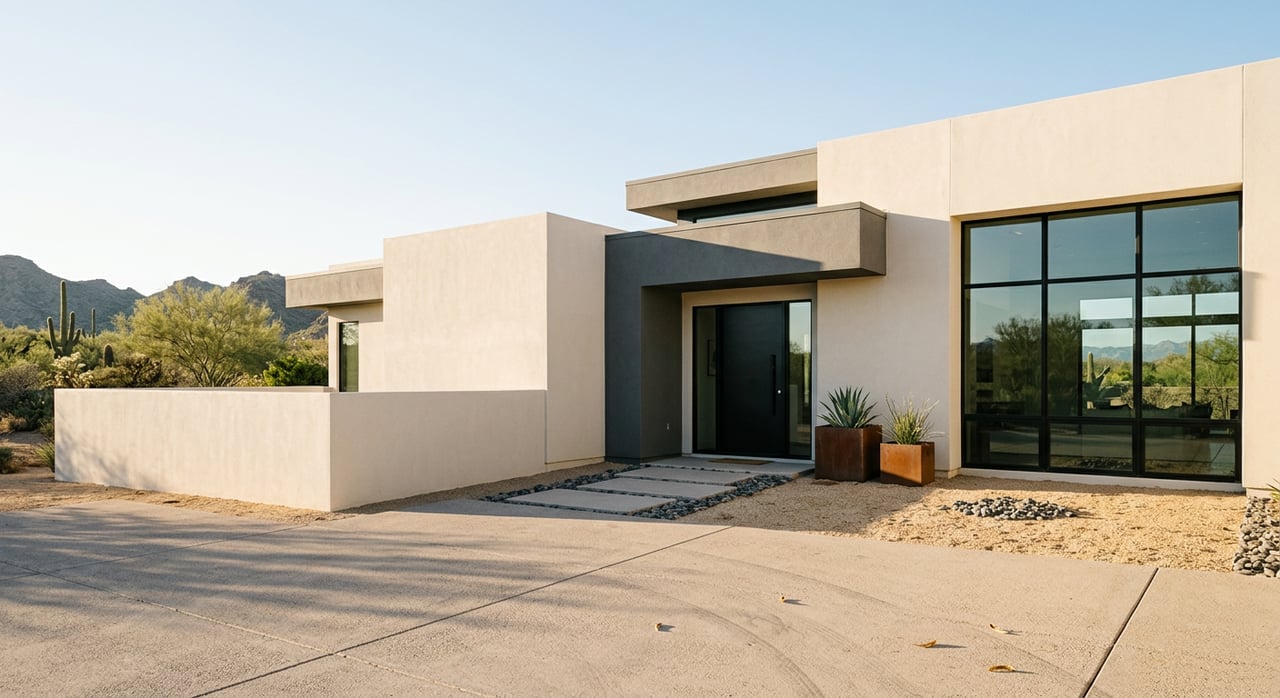
Section 10 sits in West Las Vegas about one square mile between Desert Inn, Buffalo, Sahara, and Rainbow. It is known for custom estates on larger lots, often around a half acre or more. Many parcels are not under a single HOA, which lets owners personalize while creating more architectural variety. For a quick refresher on the area’s profile, review the Section 10 neighborhood guide from The Agency LVH, which highlights custom builds, lot scale, and close access to the Strip and airport (Section 10 neighborhood guide).
Price strategy for custom estates
You are not pricing a plan in a subdivision. You are pricing a one-of-a-kind property with features that may not have true twins nearby. Recent listings in Section 10 often trade in the multi-million dollar range, but small-sample volatility means you should avoid relying on a single average. Anchor your number in local solds, then explain your adjustments with documentation.
Build a comp set that works
Start with the closest, most recent sales in Section 10, then widen your search carefully when necessary. For unique homes, appraisers blend the sales comparison approach with the cost approach, and they often expand narrative support when standard forms fall short. If your property is highly atypical, consider a pre-list valuation or an appraisal approach aligned with professional guidance from the Appraisal Institute on scope and narrative reporting (Appraisal Institute guidance).
Adjust for high-impact features
When preparing your CMA, make clear, reasoned adjustments for features the buyer pool values most. Prioritize:
- Lot acreage and site scale, especially half acre or larger
- Permitted guest house or casita
- Pool, spa, and outdoor entertainment zones
- Recent high-end remodels with invoices and permits
- Privacy measures, mature landscaping, and screening
- Detached garages, workshops, RV parking, or storage structures
Document age, permits, and costs for each item so you can defend the premium.
Financing realities in this price band
Many buyers in this segment use cash or jumbo financing. Conforming loan limits adjust annually by county, and many Section 10 homes will exceed those thresholds. Encourage serious buyers to secure lender pre-qualification for jumbo programs or be prepared to provide proof of funds. You can review current conforming limit policy updates through Fannie Mae’s capital markets site (FHFA conforming limit updates).
Prep that protects value
Strong preparation reduces risk and builds buyer confidence. It also gives appraisers and lenders the clarity they need to support your price.
Assemble permits and proof
Custom homes often include additions, pools, and specialty structures. Gather the following before you list:
- Building permits and final inspections for all improvements
- Contractor invoices and a summarized upgrade list
- Warranties for roof, HVAC, pool equipment, and appliances
- Appliance manuals and smart-home instructions
- HOA documents if your parcel is within a gated enclave
- Survey, plus any well, septic, or private utility records if applicable
If you are unsure about permits, confirm status through the Clark County Citizen Access Portal (Clark County permit records). Unresolved or unpermitted work often becomes a negotiation point.
Complete your Nevada disclosures
Nevada sellers must deliver the state Seller’s Real Property Disclosure form within required timelines and disclose known material defects. Work with your agent to complete the current form and follow the Residential Disclosure Guide from the Nevada Real Estate Division (Nevada seller disclosures). If you have questions about specifics, consult your broker or attorney.
Consider a pre-listing inspection
A seller-ordered inspection can surface issues on your schedule, reduce surprise re-trades, and strengthen your property packet. If you commission an inspection, you must disclose known issues, but you also gain proactive documentation for appraisers and buyer agents. Learn more about how pre-list inspections can streamline a sale (pre-listing inspection overview).
Marketing that sells the lifestyle
For Section 10, the story is lifestyle, space, and location. Highlight the lot scale, indoor and outdoor entertaining zones, a casita or guest suite, RV capacity, and the convenience of being minutes from the Strip. The Agency LVH also recommends tools that show scale and context, such as aerials, site plans, and twilight photography (Section 10 marketing frame).
Visual assets that matter
- Premium interior photography that captures light, volume, and finishes
- Twilight and exterior lifestyle images to show ambience
- Drone and aerial imagery to display lot lines, privacy, and proximity (drone and aerial best practices)
- Accurate floor plans and a site plan that clarifies flow and structures
- Cinematic video and a 3D tour for out-of-market buyers
Staging for luxury impact
Staging makes it easier for buyers to visualize how they will live in the home, especially in large entertaining spaces and the primary suite. For vacant properties, consider a curated staged shoot or high-quality virtual staging. Industry data shows staging correlates with stronger first impressions and faster interest (home staging statistics).
Smart distribution and private outreach
Amplify reach with a polished property microsite or brochure that compiles permits, warranties, and upgrade schedules. Arrange a targeted broker tour, private twilight previews, and direct outreach to top local luxury agents. Pair tasteful PR and social distribution with confidentiality for qualified requests.
Showings, negotiations, and appraisal
Manage showings for impact
Keep the home show-ready with a simple checklist for lights, climate, and scent. Provide a property packet on-site and digitally so buyers and appraisers can review permits and improvements. Schedule twilight showings for outdoor areas that shine at sunset, and confirm a privacy plan for gated drive access or RV parking areas.
Reduce appraisal risk
Unique features can be hard to quantify if recent comps are limited. To mitigate risk, present your appraiser package that includes permits, upgrade invoices, recent proximate solds, and a feature list that explains adjustments. If the property is unusual, consider a pre-list appraisal or broker price opinion shaped by the Appraisal Institute’s guidance on assignment scope and narrative support (valuation scope guidance).
Title, taxes, and timelines
Ask your title team to confirm there are no unrecorded easements, encroachments, or transfer fee obligations. Include recent property tax statements in your packet and be prepared for customary tax proration at closing, which follows Nevada assessment statutes (Nevada property tax framework). Luxury transactions may require longer due diligence windows for inspections, specialty reports, and lender review, so weigh a cash or highly qualified buyer if you prefer a faster close. For context on broader market timing and buyer behavior, review industry data from NAR’s field guide (NAR quick statistics).
Your 6 to 8 week listing timeline
Use this high-level checklist to stay organized.
6 to 8 weeks out
- Order a pre-list inspection and resolve safety or major issues, or document them for disclosure (pre-listing inspection overview).
- Compile permits, surveys, warranties, invoices, and appliance manuals; verify permit history via Clark County’s portal (Clark County permit records).
- Schedule premium photography, drone and twilight shoots; plan for floor plans and a site plan (drone and aerial best practices).
- Consult an appraiser or have your agent produce a market-informed CMA; consider a narrative appraisal for highly unusual properties (valuation scope guidance).
2 to 4 weeks out
- Complete cosmetic updates, deep clean, and stage key rooms; finalize photography and plan for a 3D tour (home staging statistics).
- Prepare your Nevada Seller’s Real Property Disclosure and build a digital property packet for buyer agents (Nevada seller disclosures).
Listing week and on market
- Launch with best-in-class visuals and a strong lifestyle narrative tailored to Section 10’s lot scale and location benefits (Section 10 marketing frame).
- Host a targeted broker tour and share your property packet with brokers and appraisers. Track feedback in week one and be ready to fine-tune price or presentation if needed.
The bottom line
Selling in Section 10 is about precision. Price with proof, present with polish, and distribute your story to the right buyers with the right assets. When you combine thorough documentation with standout visuals and targeted outreach, you reduce friction and improve your odds of a faster, stronger result.
If you are ready to discuss timing, pricing, and bespoke marketing for your home, connect with The Agency Las Vegas | Henderson’s leadership. Request a private strategy session with Russell Arnold to map your sale from valuation to closing.
FAQs
What makes Section 10 different for sellers?
- Section 10 features custom estates on larger lots with limited HOA coverage, so pricing and presentation must focus on unique features, permits, and lifestyle value.
How do you price a custom Section 10 home with few comps?
- Start with the closest recent solds, then use reasoned adjustments and, when needed, a cost or narrative approach backed by permits and invoices.
What disclosures are required for Nevada home sellers?
- Nevada requires the Seller’s Real Property Disclosure form and timely disclosure of known material defects; use the current form from the Nevada Real Estate Division.
Do buyers in Section 10 usually need jumbo loans?
- Many do, unless paying cash, because luxury price points often exceed conforming limits, which adjust annually by county; pre-qualification is key.
Should I get a pre-listing inspection for a luxury home?
- Yes, it can surface issues early, inform repairs, and strengthen your property packet, leading to fewer surprises during buyer inspections.
How long does it take to sell a Section 10 estate?
- Timelines vary with price, presentation, and financing; luxury sales may include longer diligence periods, so strong prep and buyer qualification help speed the process.